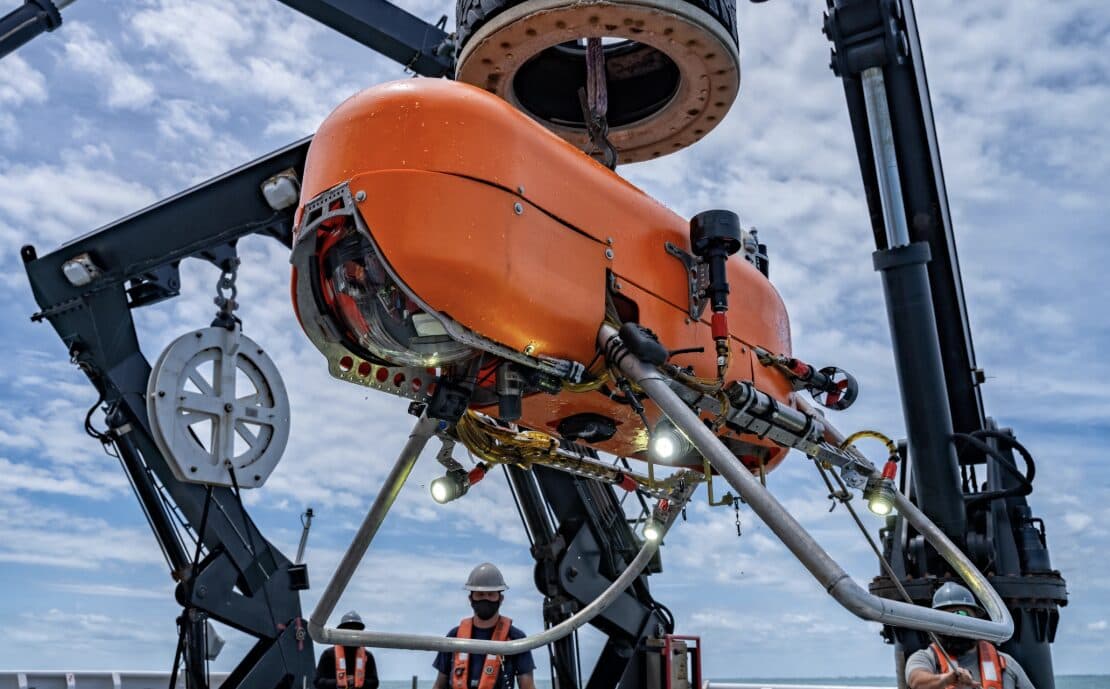
Orpheus
Gallery
Overview
Small, low-cost AUV from WHOI and NASA JPL designed to explore the deepest ocean trenches.
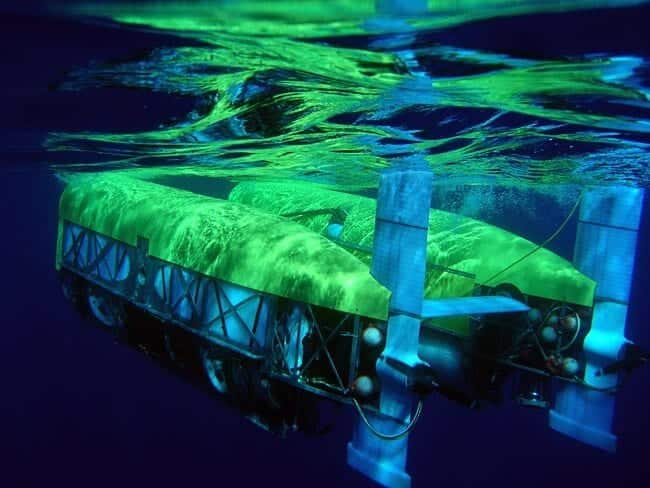
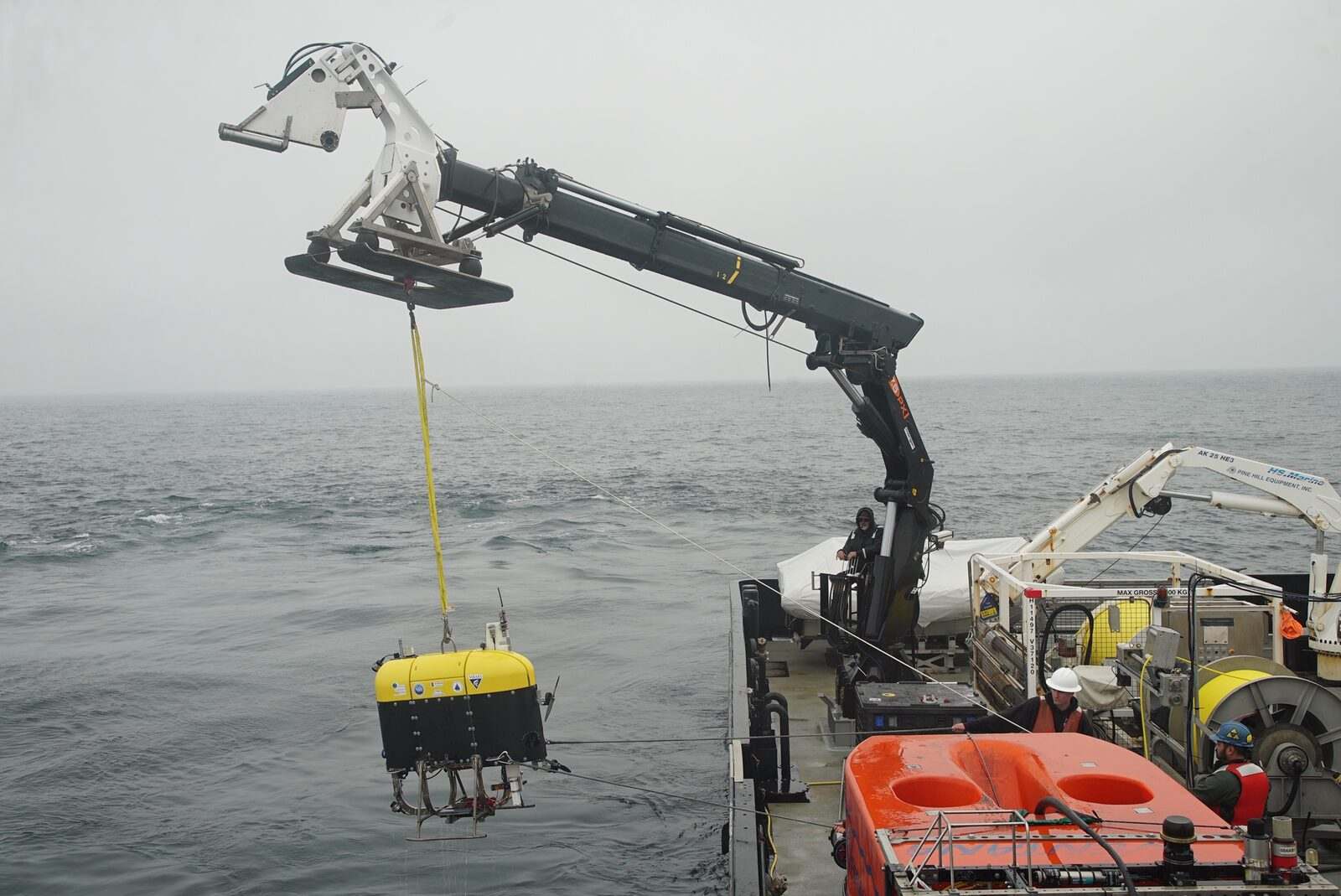
Orpheus is a small autonomous underwater vehicle designed at Woods Hole Oceanographic Institution with NASA's Jet Propulsion Laboratory to reach the deepest parts of the ocean, the hadal trenches below 6,000 m. At about 250 kg it is light enough to launch from ordinary research ships, and its JPL-derived vision system lets it recognise seafloor features and navigate without expensive acoustic beacons, a technique also relevant to exploring ocean worlds elsewhere in the solar system. It can land on the seafloor to collect samples. Two prototypes were built in 2018, and a spin-off company now builds and operates the class for exploration expeditions.
Primary Roles
Notes
About 70 x 60 x 52 in and 550 lb (250 kg) in air, offered in 6,000 m and 11,000 m versions. Surveys 2-3 m above the seafloor at 0.3-0.5 m/s and can land to take samples, with 6-12 h on the bottom. Designed at WHOI from 2018 to 2024 with navigation software from NASA's Jet Propulsion Laboratory; two prototypes, Orpheus and Eurydice, were built. The spin-off Orpheus Ocean now builds and operates the class, including on Ocean Exploration Trust expeditions.