USV
BX USV
AGISTAR · France
Largest open catalog · USV · UUV · AUV
The most comprehensive open catalog of sea drones: surface and underwater platforms and the companies that build them, each with specifications and a cited source.
AGISTAR · France
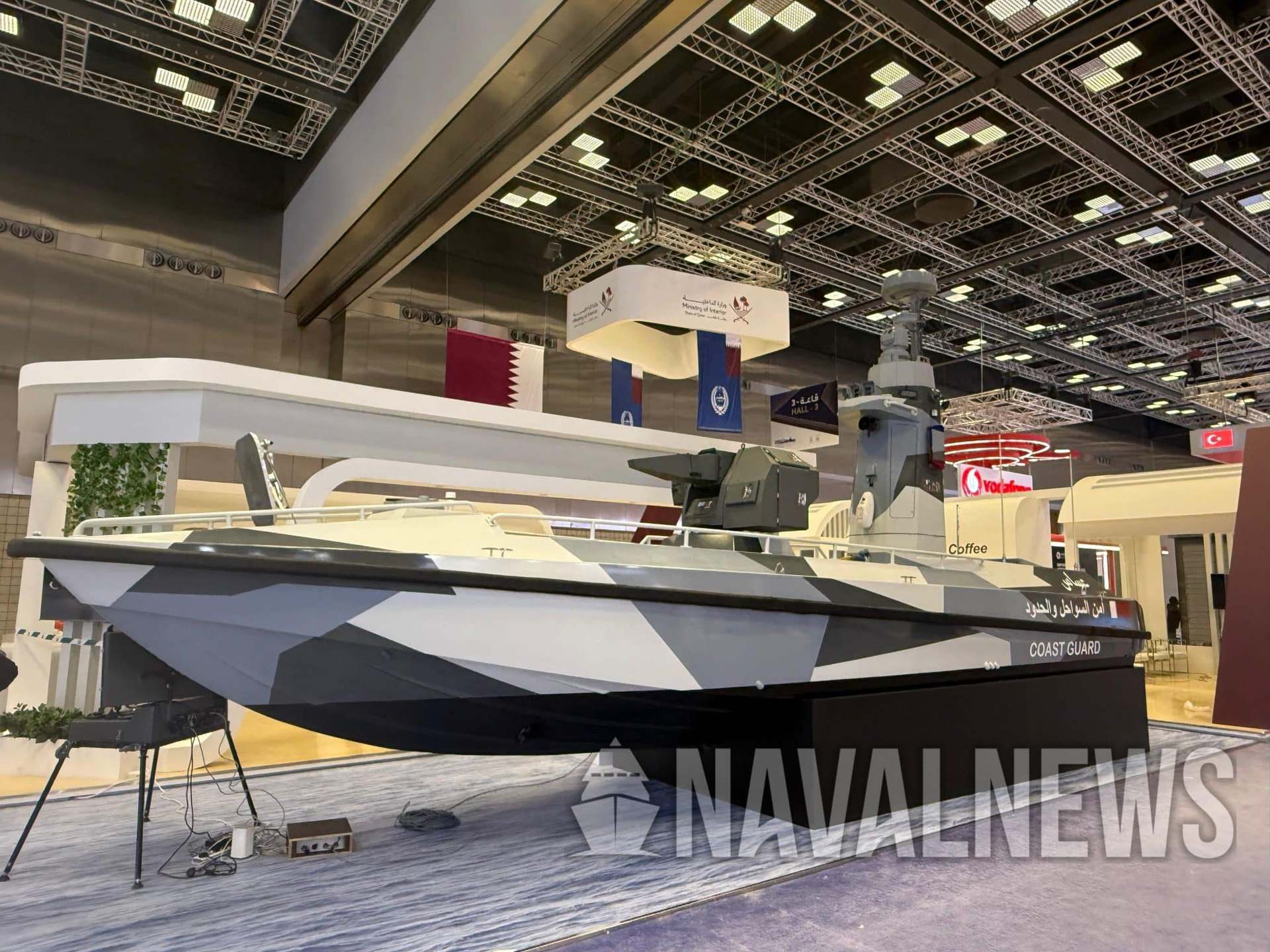
Meteksan Defense · Turkey
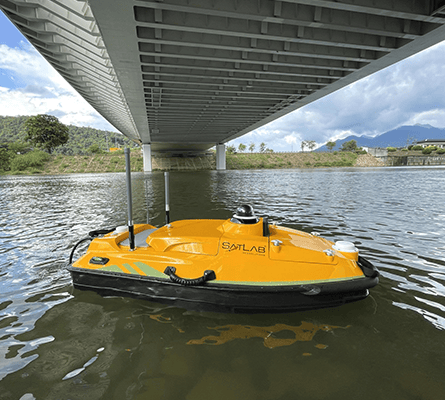
SatLab Geosolutions · Sweden
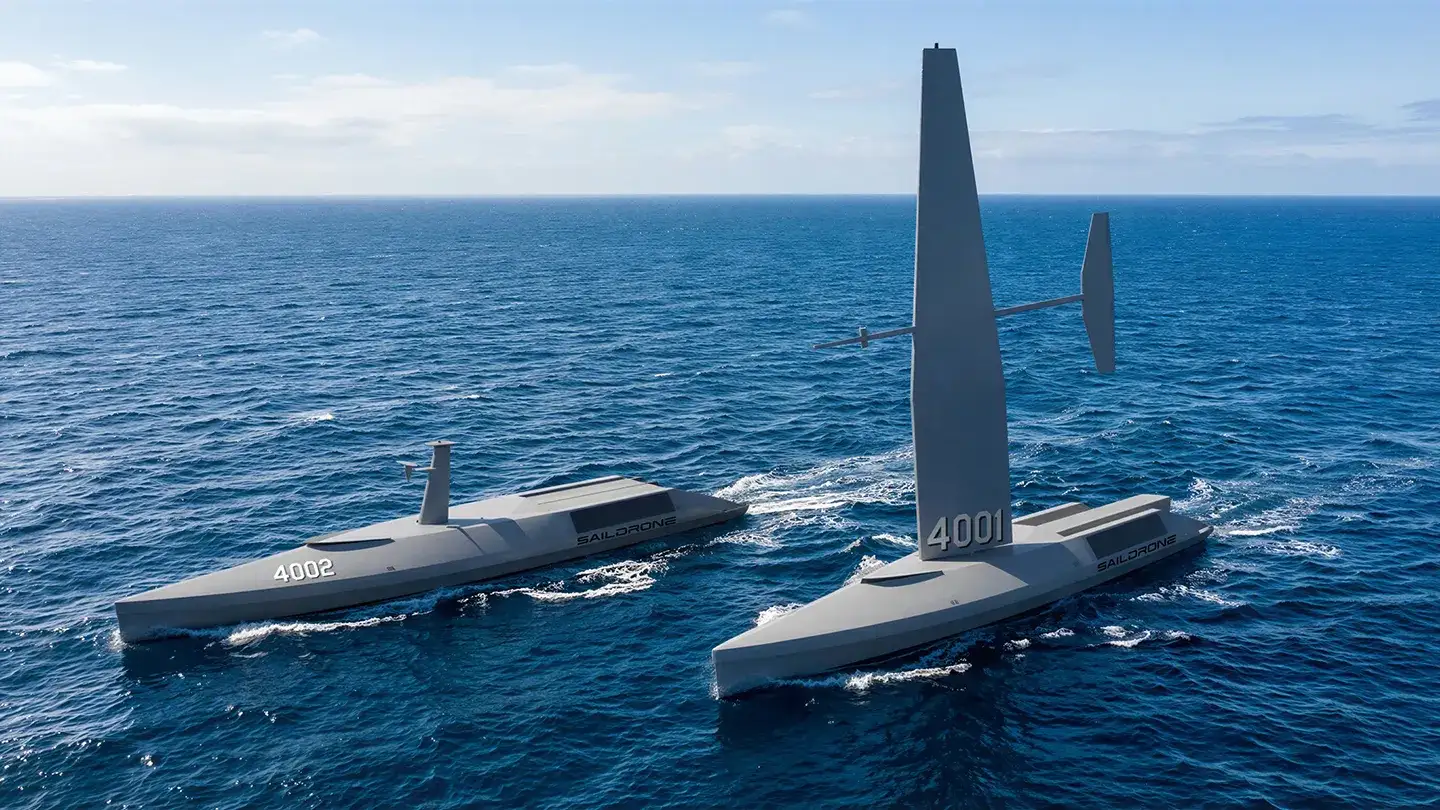
Saildrone · United States
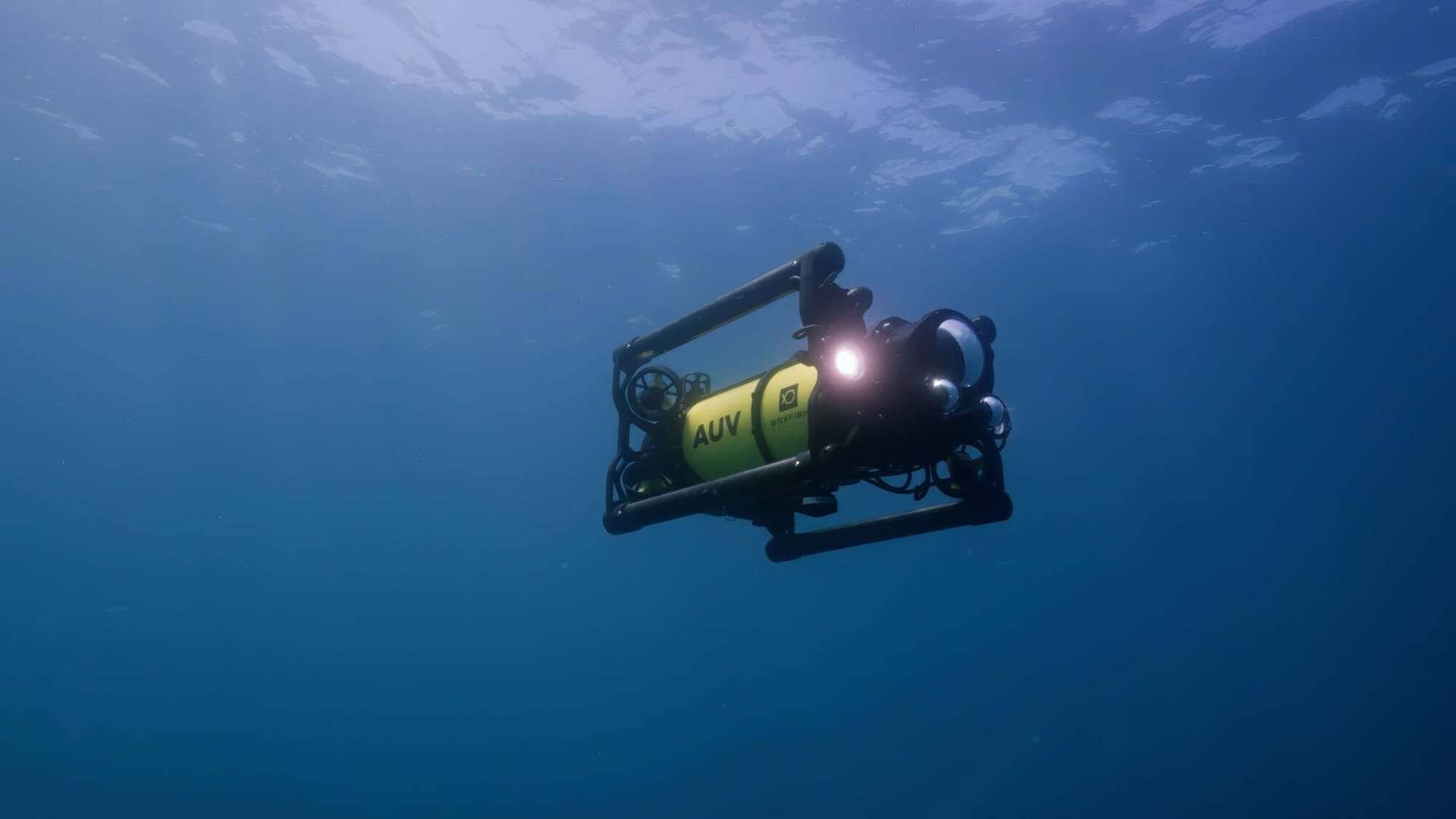
Boxfish Robotics · New Zealand
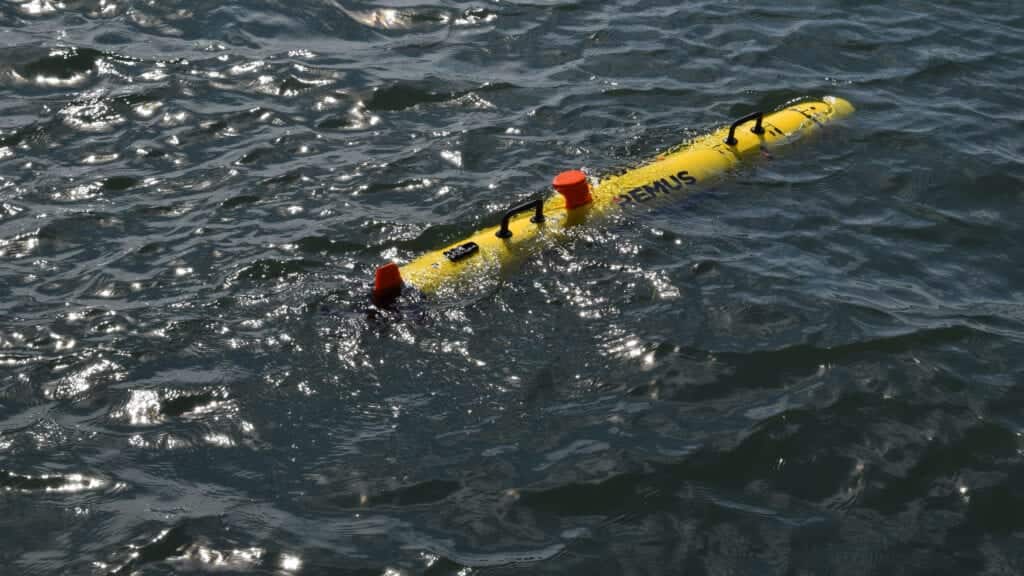
HII · United States
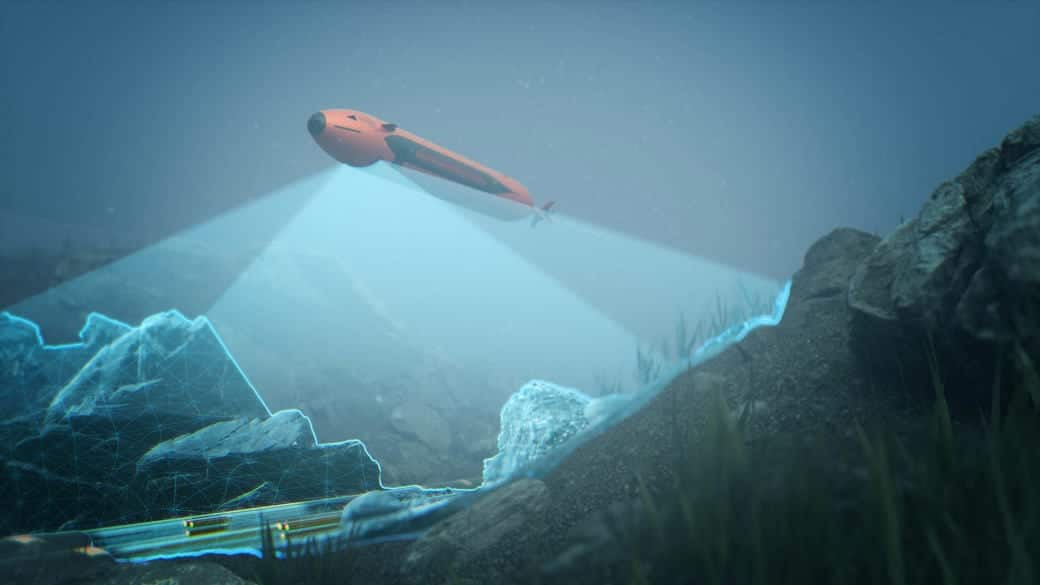
Kongsberg Discovery · Norway
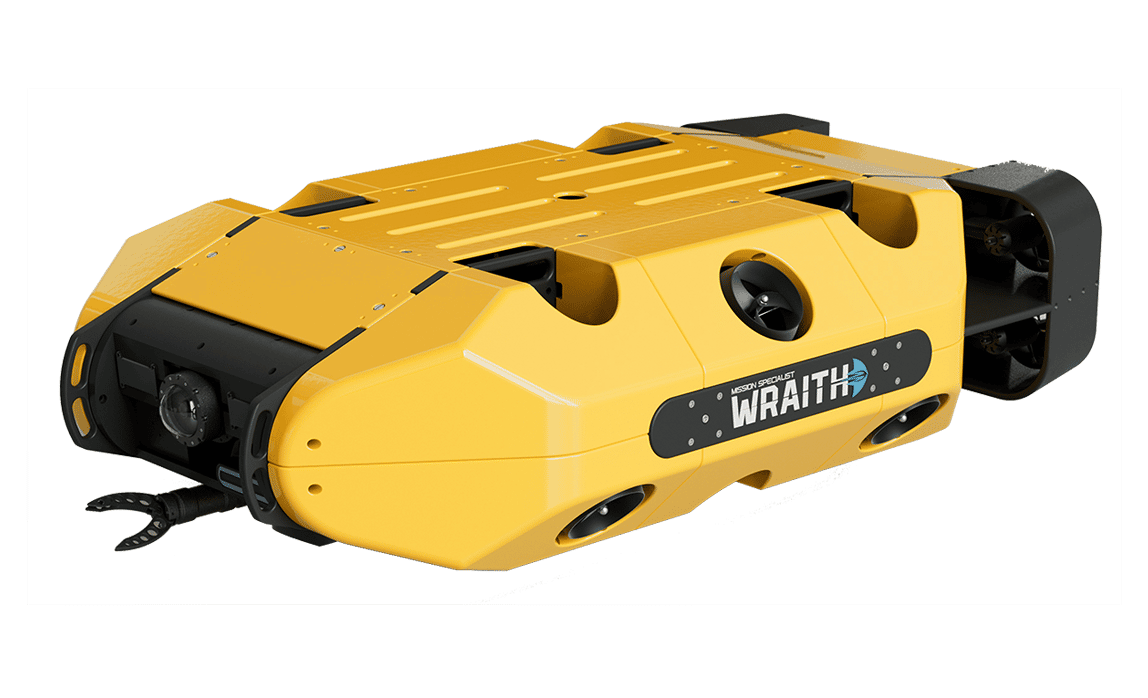
VideoRay · United States
How the world’s maritime unmanned vehicles break down by class, domain, sector, and origin.
Select any figure to filter the catalog
Every platform scored against every other across 13 dimensions — mission roles, class, size, depth, range, speed, endurance, autonomy and more. Each one links to its closest matches; communities emerge on their own.
Hold Ctrl / ⌘ and scroll to zoom
Last known positions of tracked uncrewed surface vessels, from open AIS networks and NOAA satellite telemetry.
8 tracked surface platforms in the database currently expose 12 public MMSIs.
Browse, search, and filter the complete database of maritime unmanned vehicles.
Loading platform index…
Manufacturers, defense agencies, and research organizations building maritime unmanned vehicles.
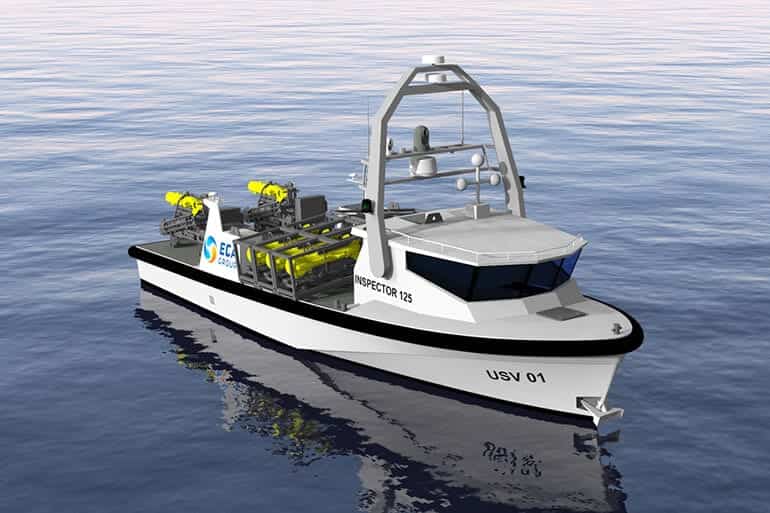

France
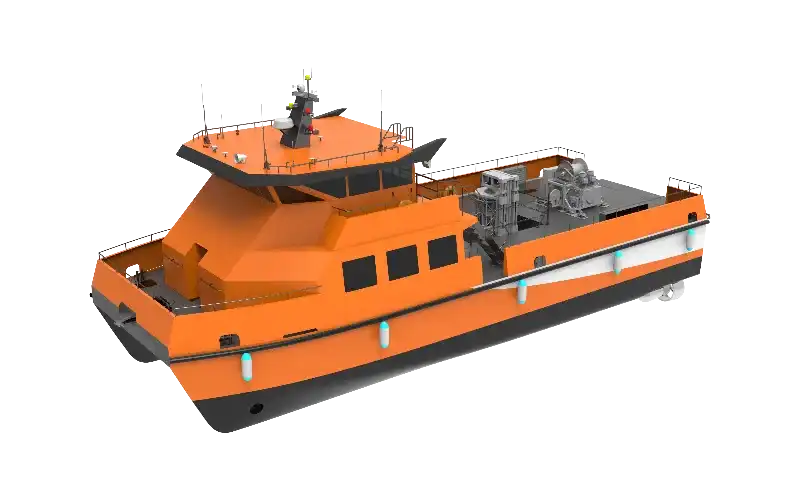

China

United States
United States

Norway

Sweden

United States

Canada
Canada

United States
United States

United States

United States

China

France
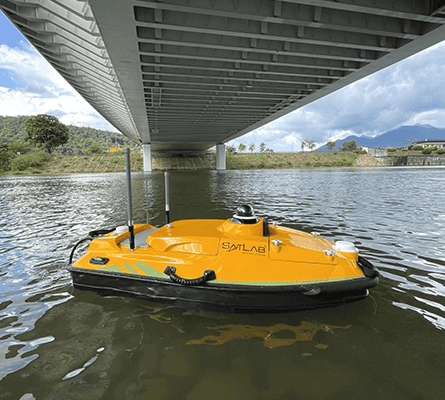

Sweden
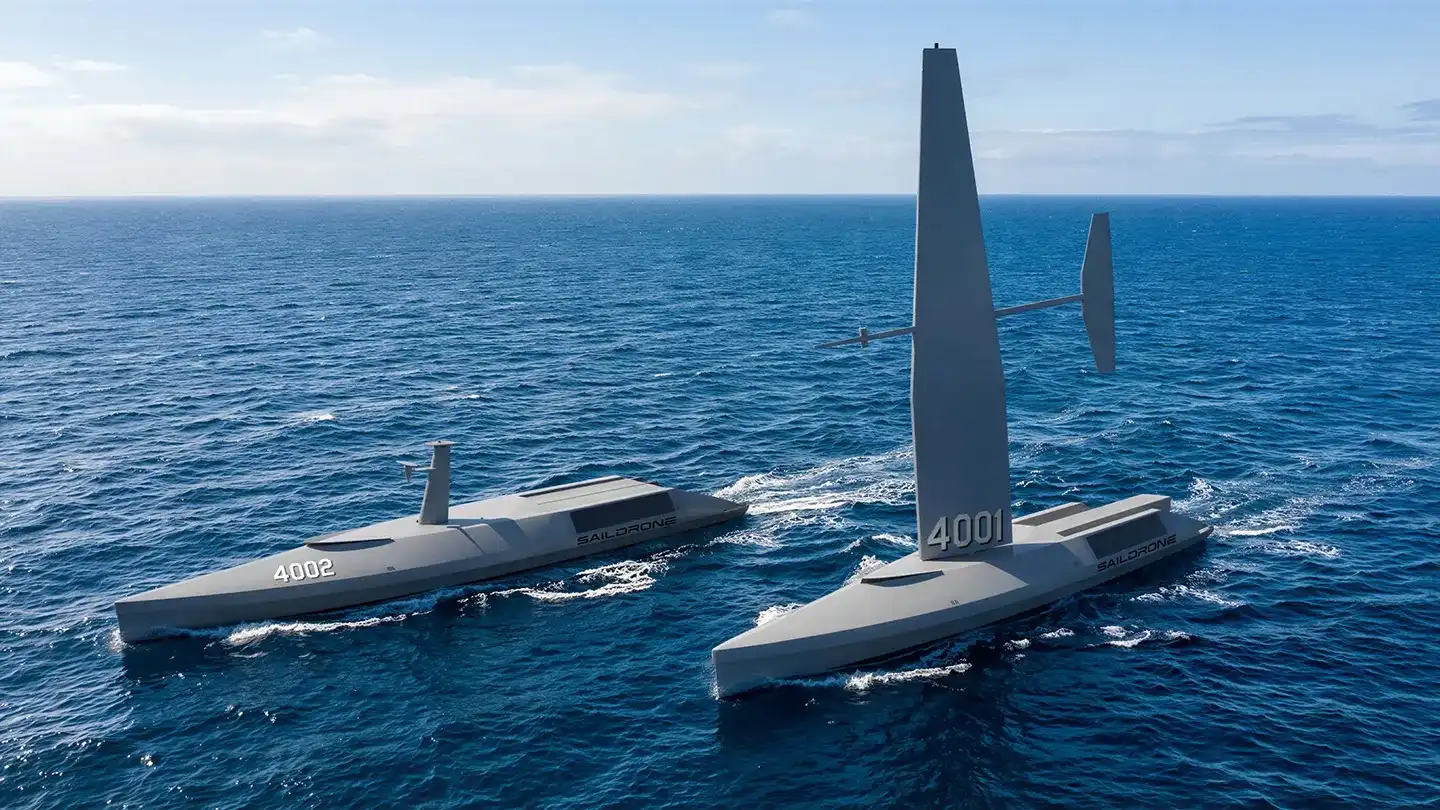
United States
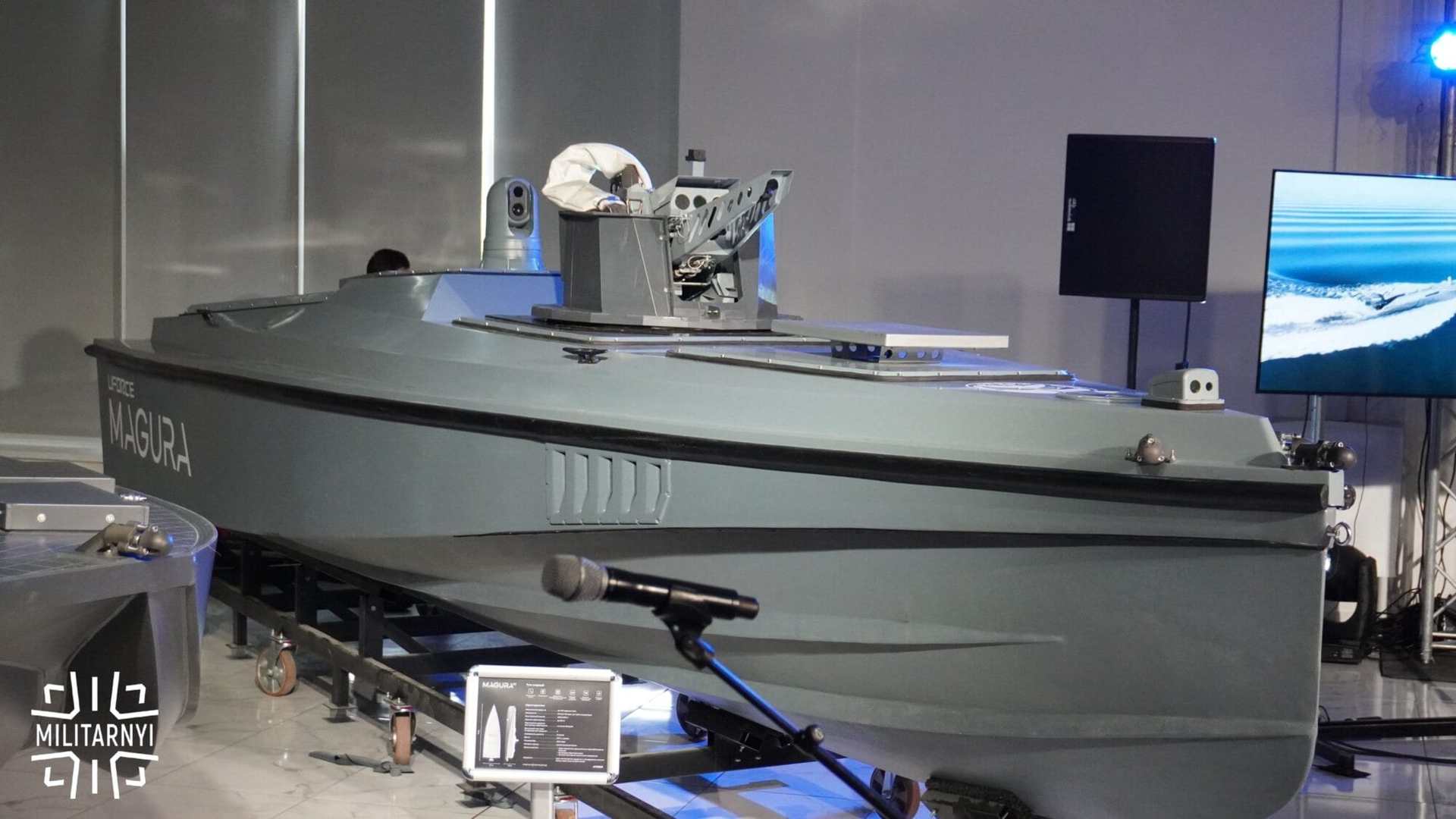

Ukraine

Canada
United States
Contracts, deployments, and combat use of unmanned maritime systems, cross-linked to every platform and company in the database.
202 stories · Updated Oct 11, 2026
/Marine Technology News
Subnero's smart acoustic modems are now natively supported in OceanScan MST's Light Autonomous Underwater Vehicle (LAUV) without any hardware or software modifications, enabling plug‑and‑play underwater communications.
Why it matters
Provides seamless, off‑the‑shelf acoustic networking for AUVs, boosting operational flexibility.
Ocean News & Technology
Links geochemical tracing to future seabed mining feasibility.
Shows integrated USV‑AUV deployment for seabed operations.
Boosts U.S. Navy’s medium‑USV fleet capabilities.
Underwater autonomy remains a key signal for naval and offshore capability.
ROV activity keeps subsea inspection and intervention capacity visible.
Surface autonomy remains a key indicator of maritime robotics adoption.
Reference Notes
Sea Drone World indexes 253 maritime unmanned vehicles from 109 manufacturers across 25 countries.
The catalog covers 133 surface vehicles and 120 underwater vehicles, spanning civilian, military, and dual-use platforms.
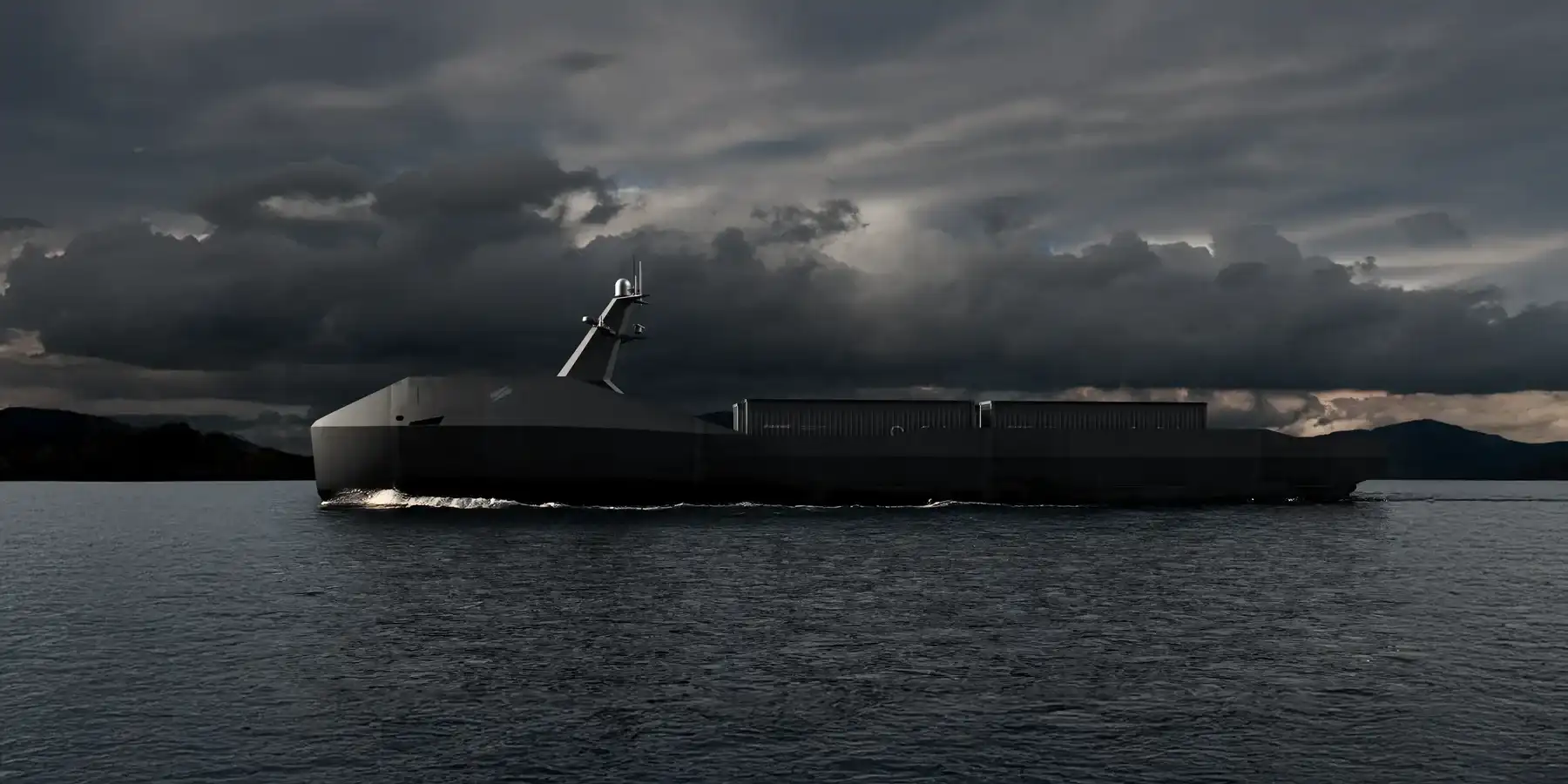
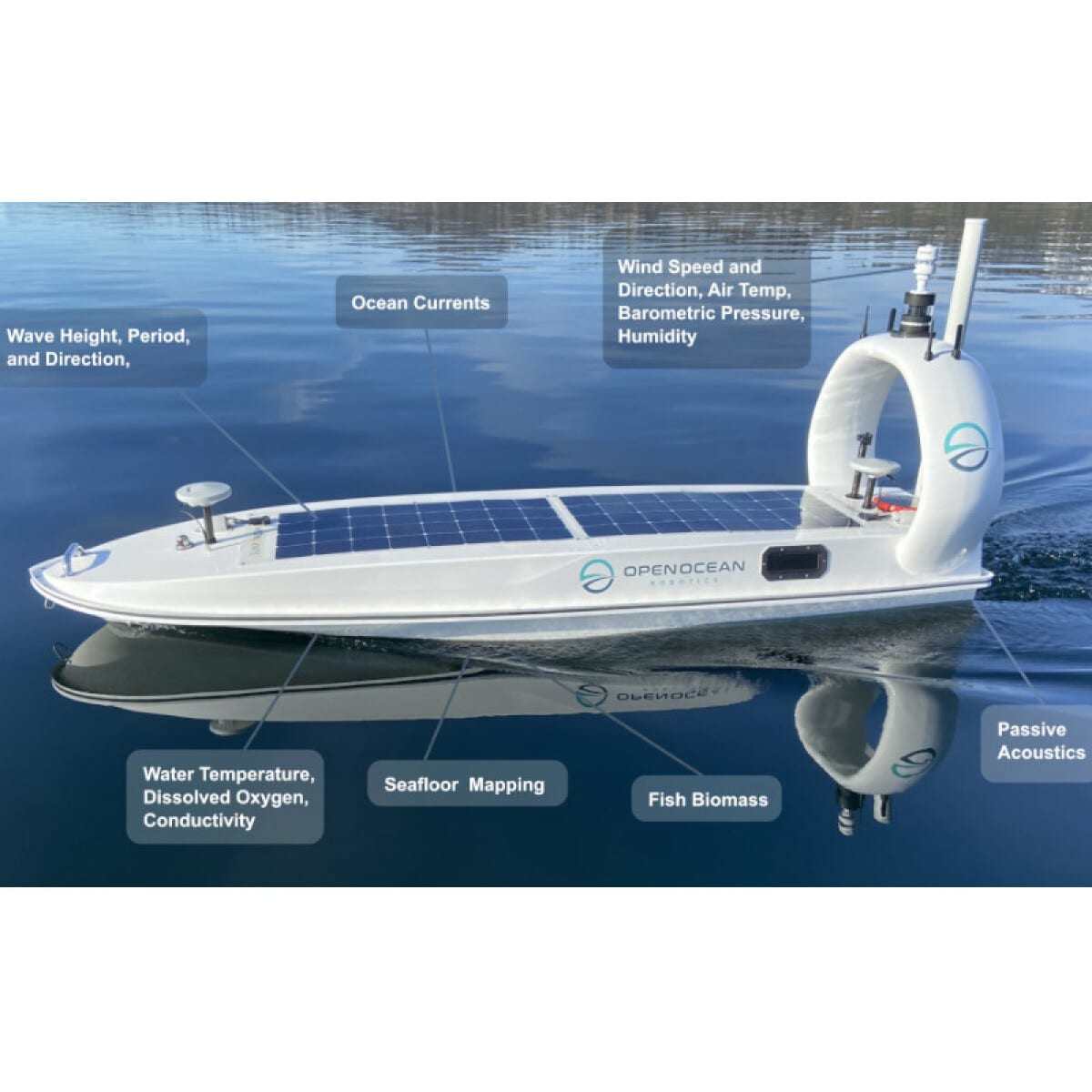
A USV is an unmanned surface vehicle — a crewless boat or ship that operates on the water surface either autonomously or via remote control. USVs are used for naval patrol, oceanographic survey, mine countermeasures, anti-submarine warfare, logistics delivery, and environmental monitoring. Sea Drone World catalogs USVs from manufacturers worldwide.
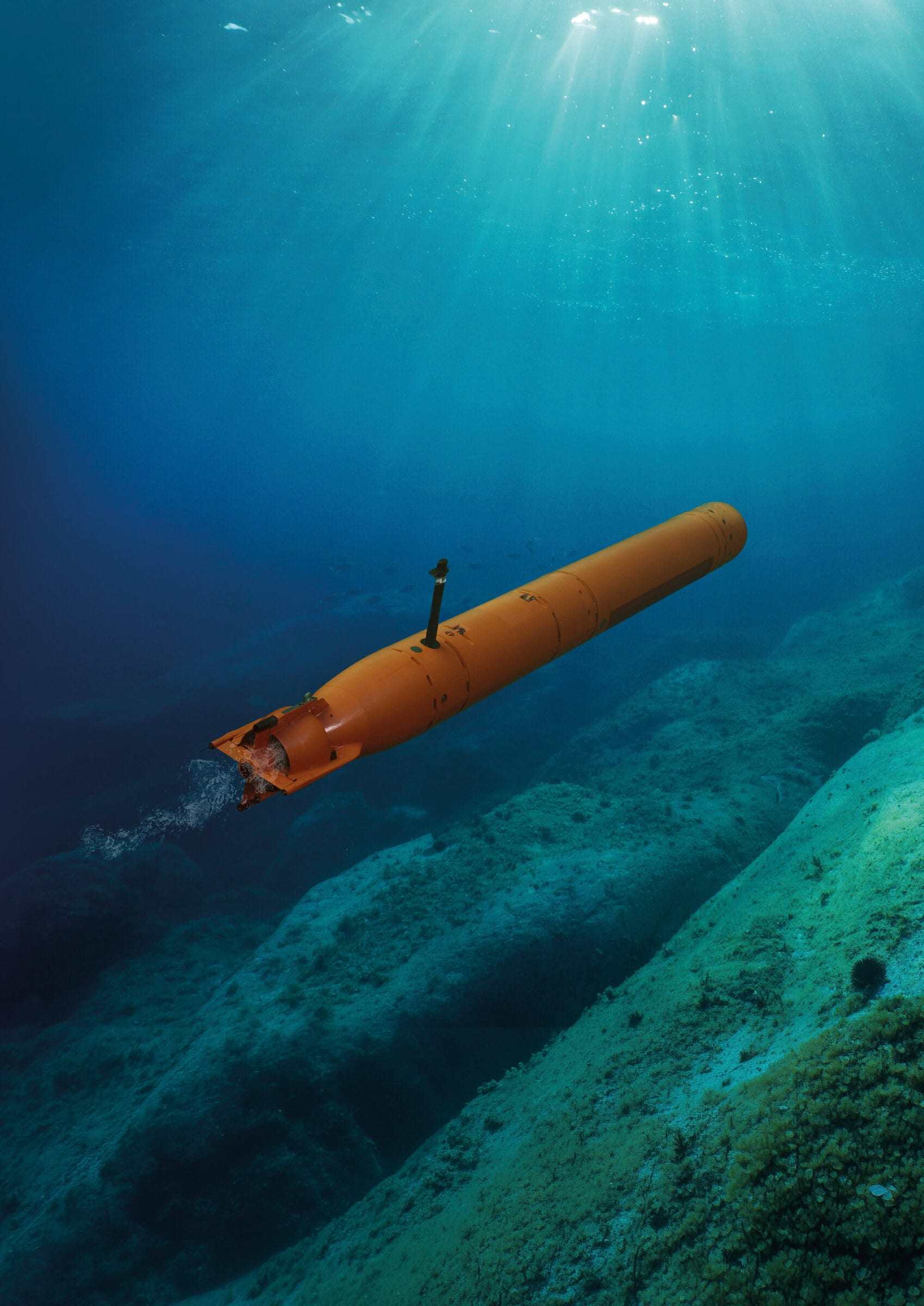
An AUV is an autonomous underwater vehicle — a self-propelled, untethered submersible robot that carries out missions without real-time human control. AUVs are used for seafloor mapping, pipeline inspection, mine detection, oceanographic research, and military reconnaissance. They navigate using pre-programmed waypoints and onboard sensors.
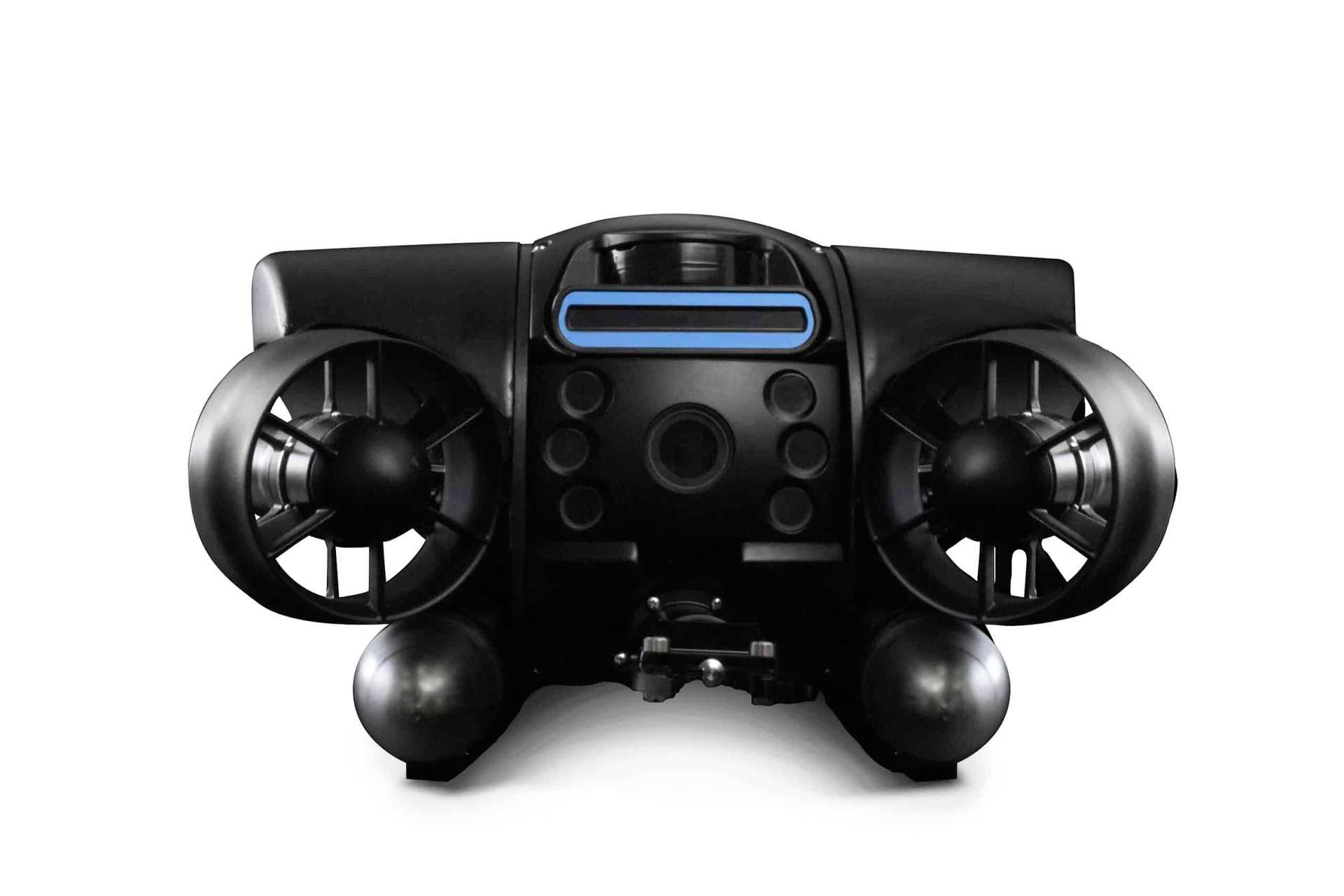
An AUV (Autonomous Underwater Vehicle) operates independently without a tether, following pre-programmed missions. An ROV (Remotely Operated Vehicle) is connected to a surface vessel via an umbilical cable and is controlled in real-time by a human operator. ROVs offer continuous power and real-time video, while AUVs offer greater range and endurance for survey missions.
Military sea drones (both surface and underwater) are used for anti-submarine warfare (ASW), anti-surface warfare (ASuW), mine countermeasures (MCM), intelligence/surveillance/reconnaissance (ISR), electronic warfare, logistics delivery in contested waters, and strike missions. Examples include the DARPA Sea Hunter, Boeing Orca XLUUV, and the Ukrainian MAGURA V5.
Some of the largest USVs include the Magnet Defense M48 at 48 meters (157 feet) with a 17,000 nm range, the DARPA/Leidos Sea Hunter at 40 meters designed for anti-submarine warfare, and the Textron MMUSV. Large USVs are typically designed for extended open-ocean missions lasting weeks to months.
Underwater drone depth ratings vary widely by design. Shallow inspection ROVs operate to 100-300 meters. Mid-range AUVs like the REMUS series reach 600-6,000 meters. Full-ocean-depth vehicles like the Kongsberg Hugin can reach 6,000 meters. Some specialized gliders and research AUVs operate at abyssal depths beyond 5,000 meters.
Sea Drone World tracks 109 manufacturers across 25 countries. Major manufacturers include Saildrone (USA), Kongsberg (Norway), ECA Group/Exail (France), L3Harris (USA), and Deep Trekker (Canada). The industry spans defense contractors, ocean technology startups, and academic spin-offs.
Sea Drone World is the most comprehensive open-access reference site for maritime unmanned vehicles. It indexes 253 platforms from 109 manufacturers, covering USVs, AUVs, ROVs, UUVs, and autonomous gliders. Each platform entry includes technical specifications, manufacturer details, mission roles, and operational status. The data is freely available via the website and a JSON API.