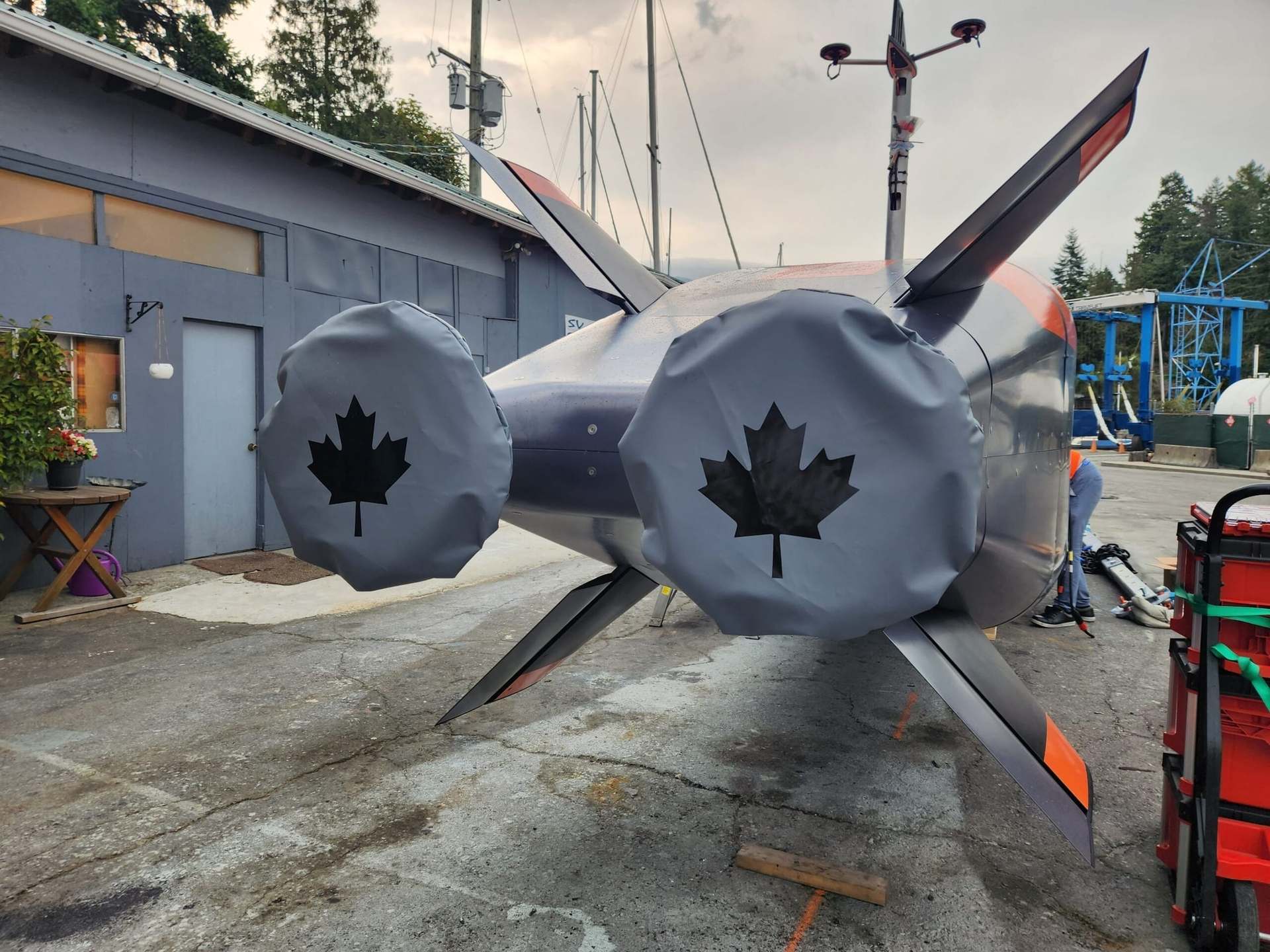
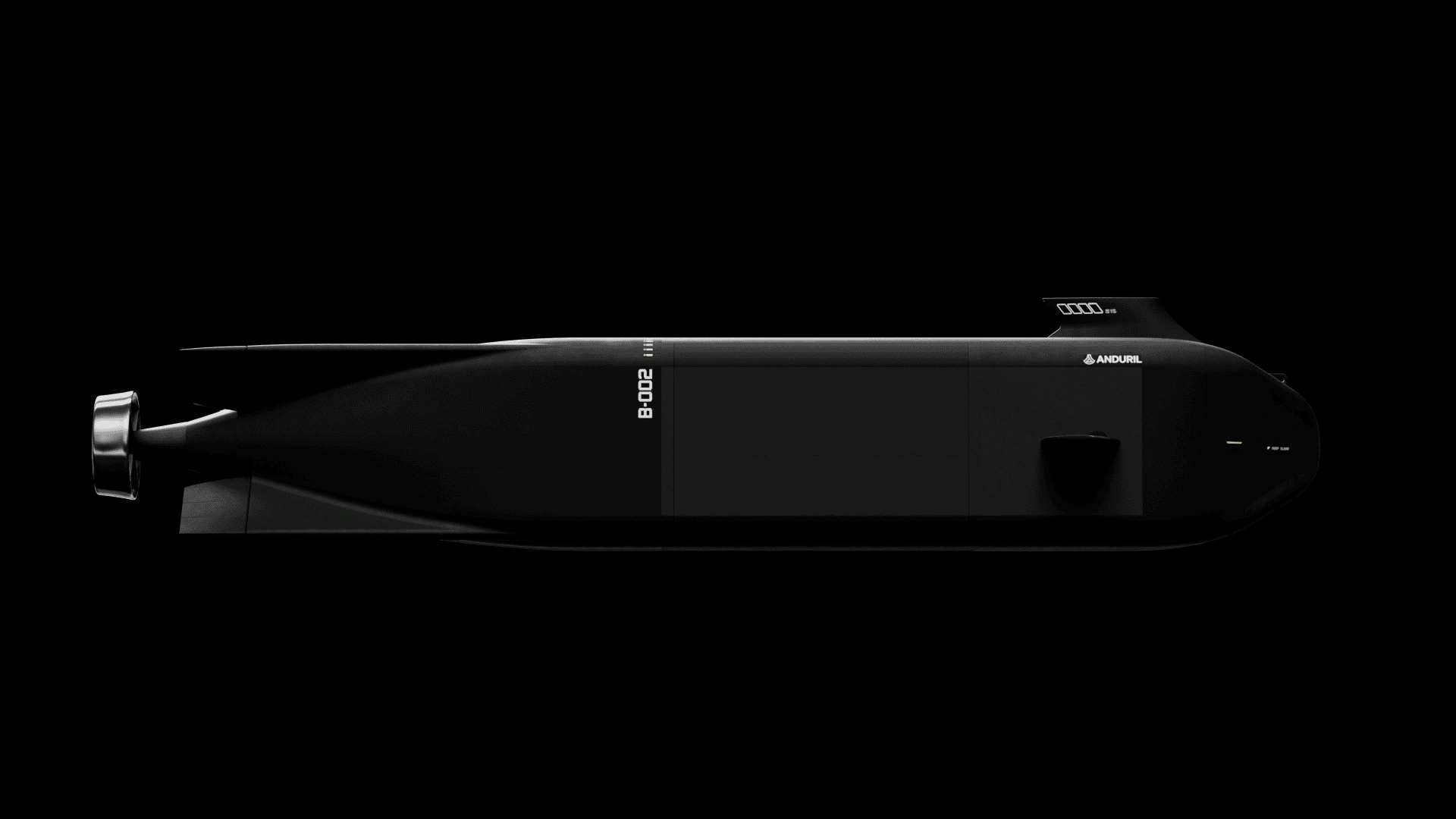
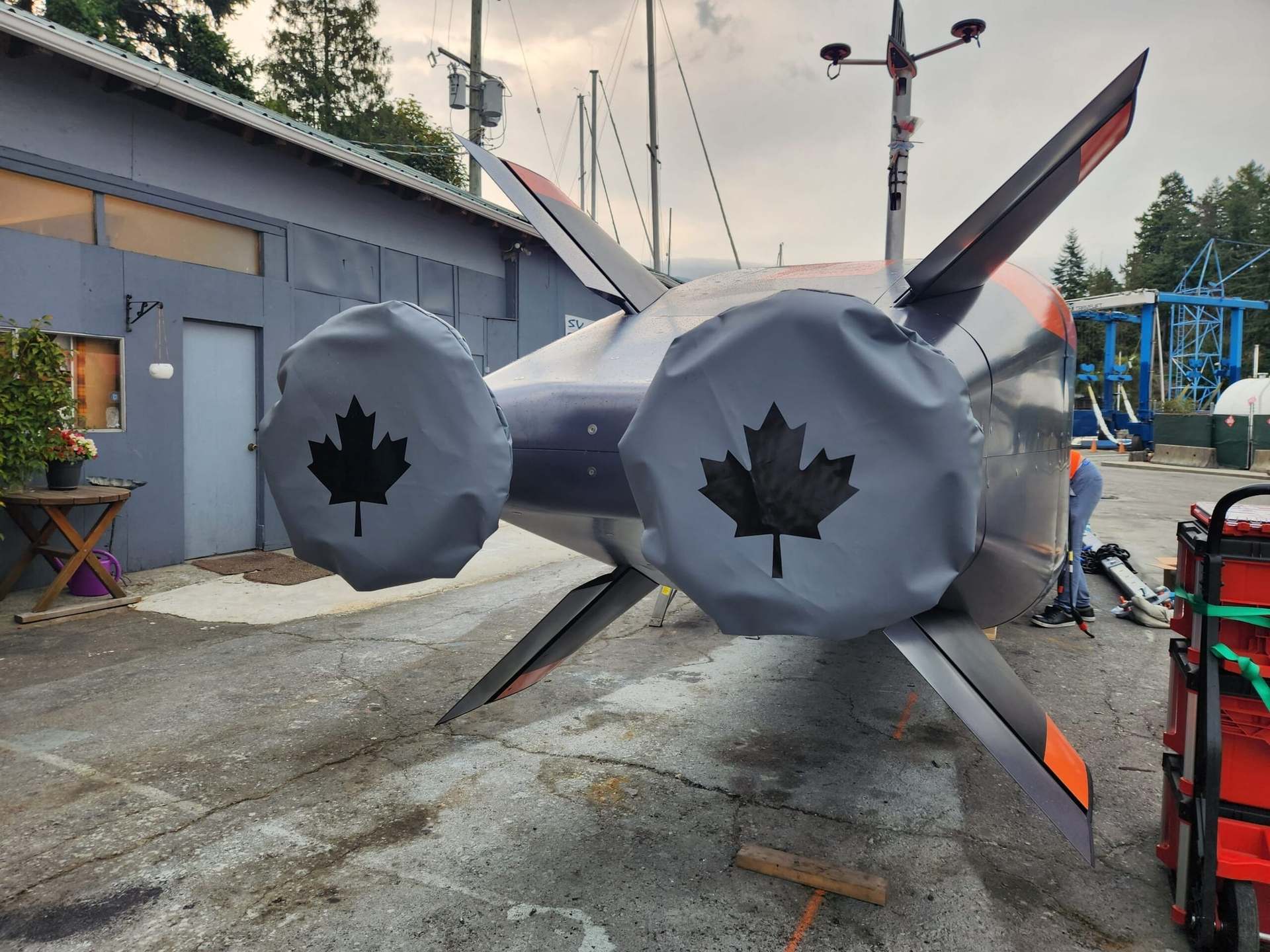
British extra-large autonomous underwater vehicle demonstrator for covert surveillance and seabed protection.
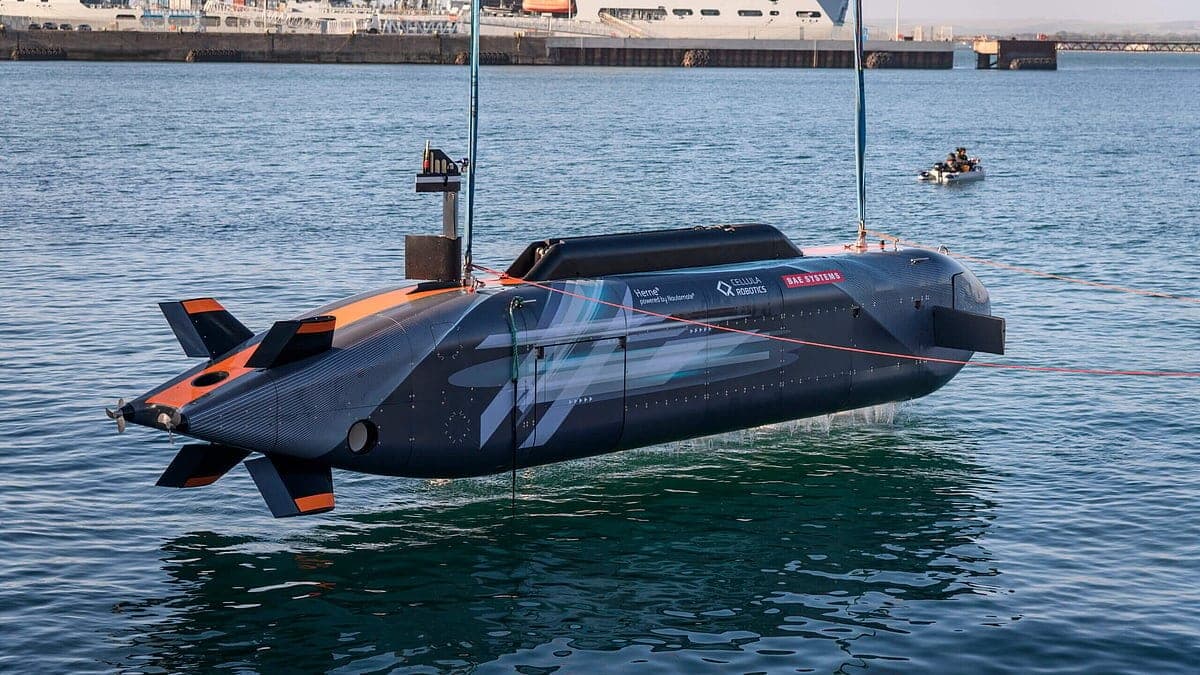
Herne is BAE Systems' extra-large autonomous underwater vehicle, developed with Canada's Cellula Robotics as a low-observable platform for long missions in hostile waters. The 12 m vehicle has a 1.7 m beam and displaces 8 to 10 tonnes depending on payload and energy configuration. It is designed to dive to about 500 m. The battery-powered demonstrator is good for a few days, but BAE plans 6 to 20 days of endurance in operational variants, and a Cellula hydrogen fuel cell could give around 5,000 km of submerged range. Modular bays can carry sonars, towed arrays, cameras, smaller AUVs or ROVs, and potentially weapons. In November 2024 Herne completed a pre-programmed ISR mission off the south coast of England under BAE's own military autonomy system.
Funções principais
intelligence surveillance and reconnaissanceundersea infrastructure protectionanti-submarine warfare supportseabed warfare
Notas
Reported figures: 12 m length, 1.7 m beam, 8-10 tonnes, about 500 m depth. The demonstrator uses lithium-ion batteries; a hydrogen fuel-cell option from partner Cellula Robotics was projected to give about 5,000 km submerged range at 3 kn. Developed with Cellula Robotics; trials took place off England's south coast in November 2024.
Especificações técnicas
Comprimento
12 m
Prof. máx.
500 m
Autonomia
a few days on demonstrator batteries; 6-20 days planned depending on mission
Carga útil
Modular bays for sonars, towed arrays, EO/IR, small AUVs or ROVs, counter-drone systems, and potential underwater weapons
Defense companies Thales and BAE Systems have decided to collaborate on the integration of a new intelligence, surveillance and reconnaissance (ISR) mast system intended for use on the Herne extra-large autonomous underwater vehicle (XLAUV…