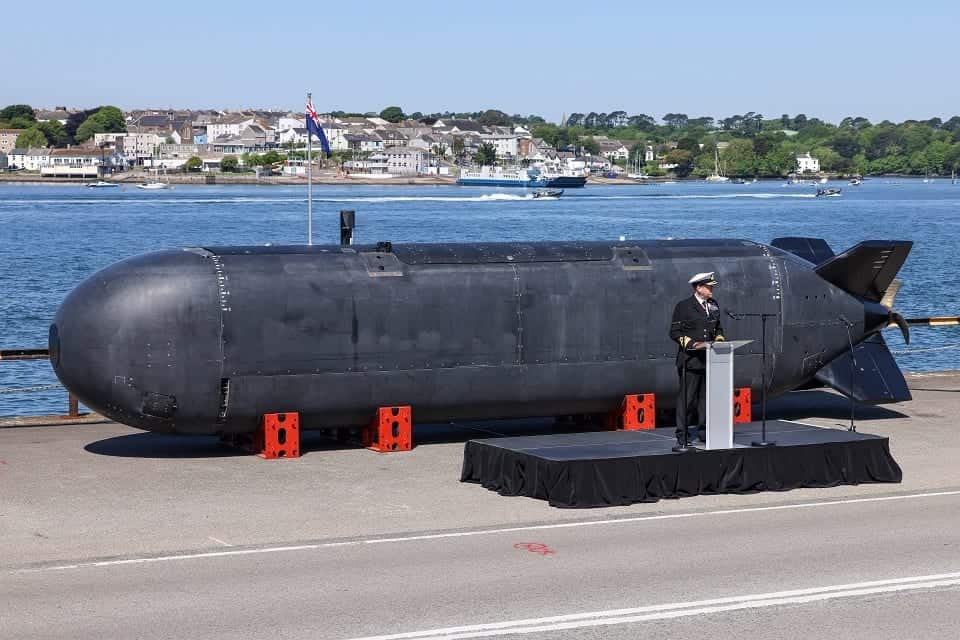
MilitaryXLUUVunderwatertesting; Russia announced the first nuclear-powered run in October 2025
Gallery
Overview
Russian nuclear-powered, nuclear-armed autonomous undersea vehicle launched from special-purpose submarines.
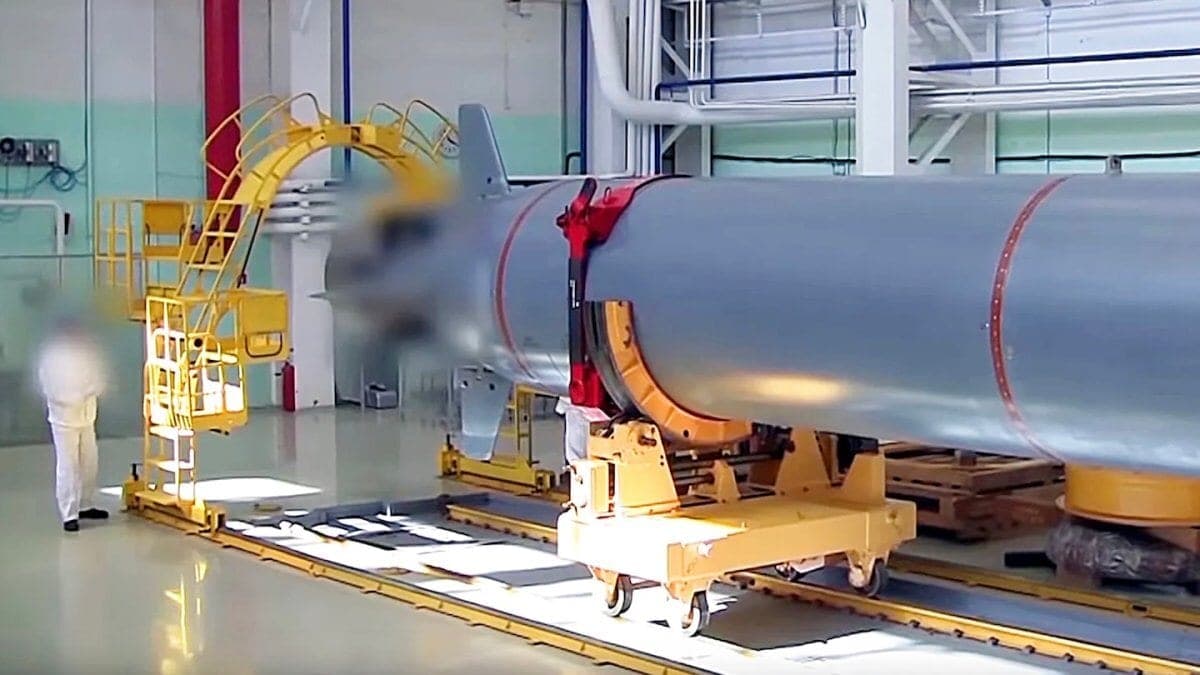
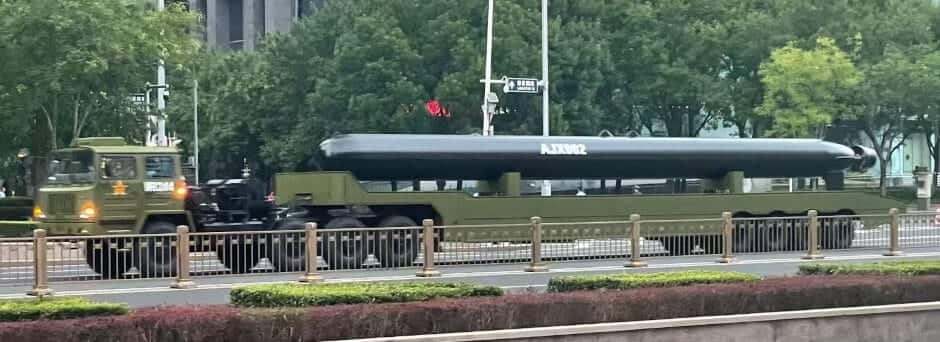
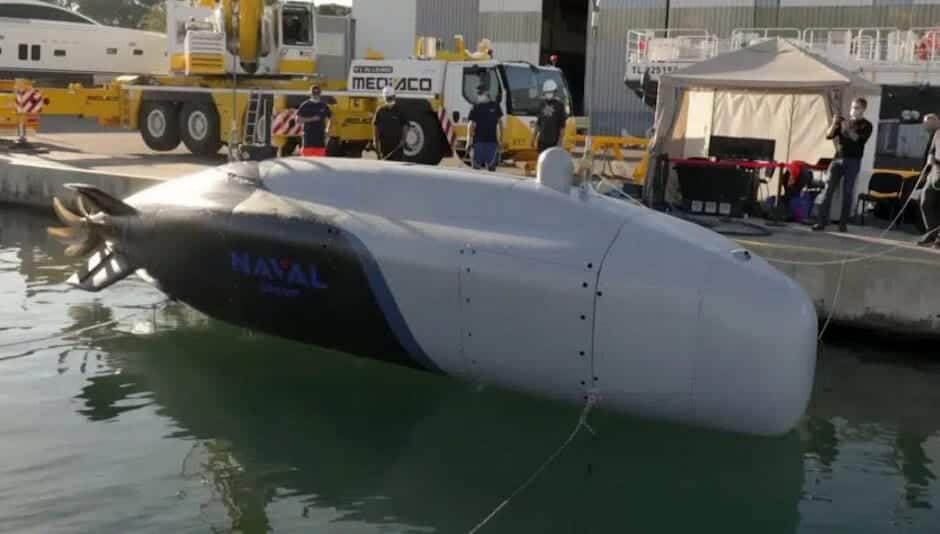
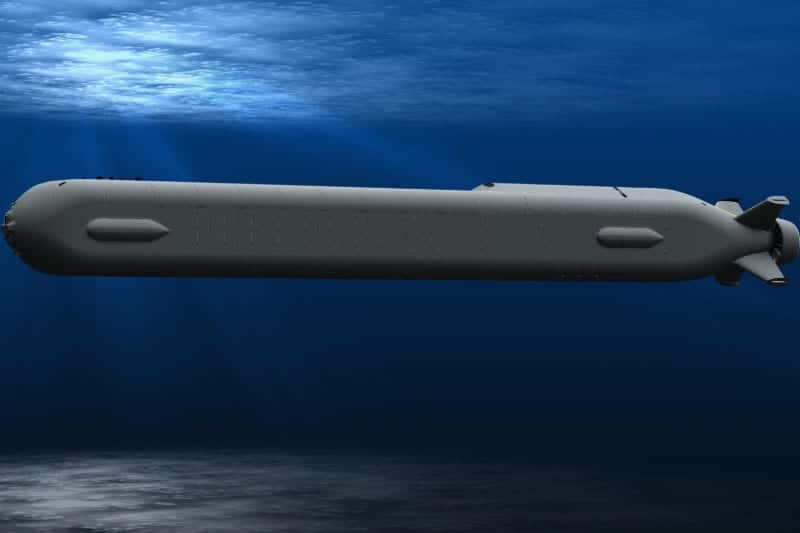
Poseidon, also known as Status-6 or by the NATO name Kanyon, is a Russian strategic weapon designed by the Rubin Design Bureau: a very large autonomous torpedo powered by a compact liquid-metal-cooled reactor and armed with a nuclear warhead. Public estimates put it at about 20 m long and 2 m in diameter, with a diving depth around 1,000 m. Russian claims of top speeds near 100 knots and effectively unlimited range are unverified. Poseidon is meant to be launched from special-purpose submarines such as Belgorod and the new Khabarovsk, travel autonomously across oceans, and strike coastal cities, naval bases, or infrastructure. In October 2025 Russia said it had launched one from a carrier submarine and run it on nuclear power for the first time. It is the most extreme example of an uncrewed undersea vehicle used as a strategic weapon.
Few verifiable figures exist. Length (about 20 m), diameter (about 2 m), depth (about 1,000 m), and speed claims come from Russian statements and secondary analysis and should be treated as approximate. On 29 October 2025 President Putin said the vehicle had been launched from a carrier submarine and run on its nuclear power unit. Carrier submarines are Belgorod and Khabarovsk.
Technical Specs
Length
20 m
Max Depth
1000 m
Endurance
effectively unlimited (nuclear-powered)
Speed
reported up to 100 kn; slower stealth cruise
Payload
Nuclear or conventional warhead; multi-megaton yields have been claimed
Poseidon's Forge inaugurated its new Fall River, Massachusetts headquarters to accelerate autonomous underwater vehicle development for commercial, scientific, and defense applications.
Poseidon’s Forge announced the successful sale of its flagship DarkWake autonomous underwater vehicle (AUV) to advanced technology company, Booz Allen Hamilton , marking a significant step forward in enabling rapid, mission-tailored underw…