EMILY
Galería
Descripción general
Remote-controlled robotic lifebuoy that races to swimmers in distress, used in surf, flood, and refugee rescues.
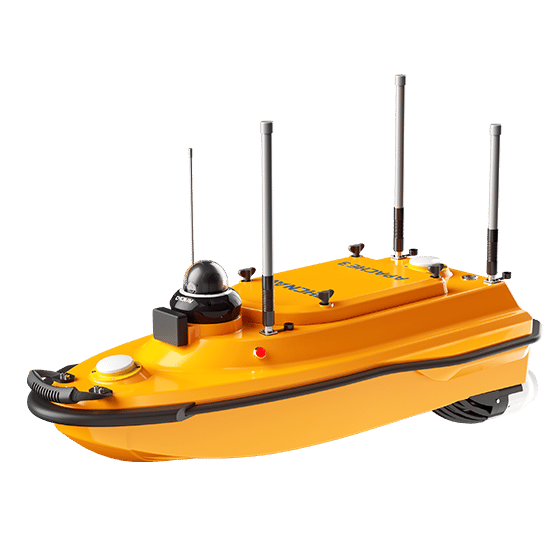
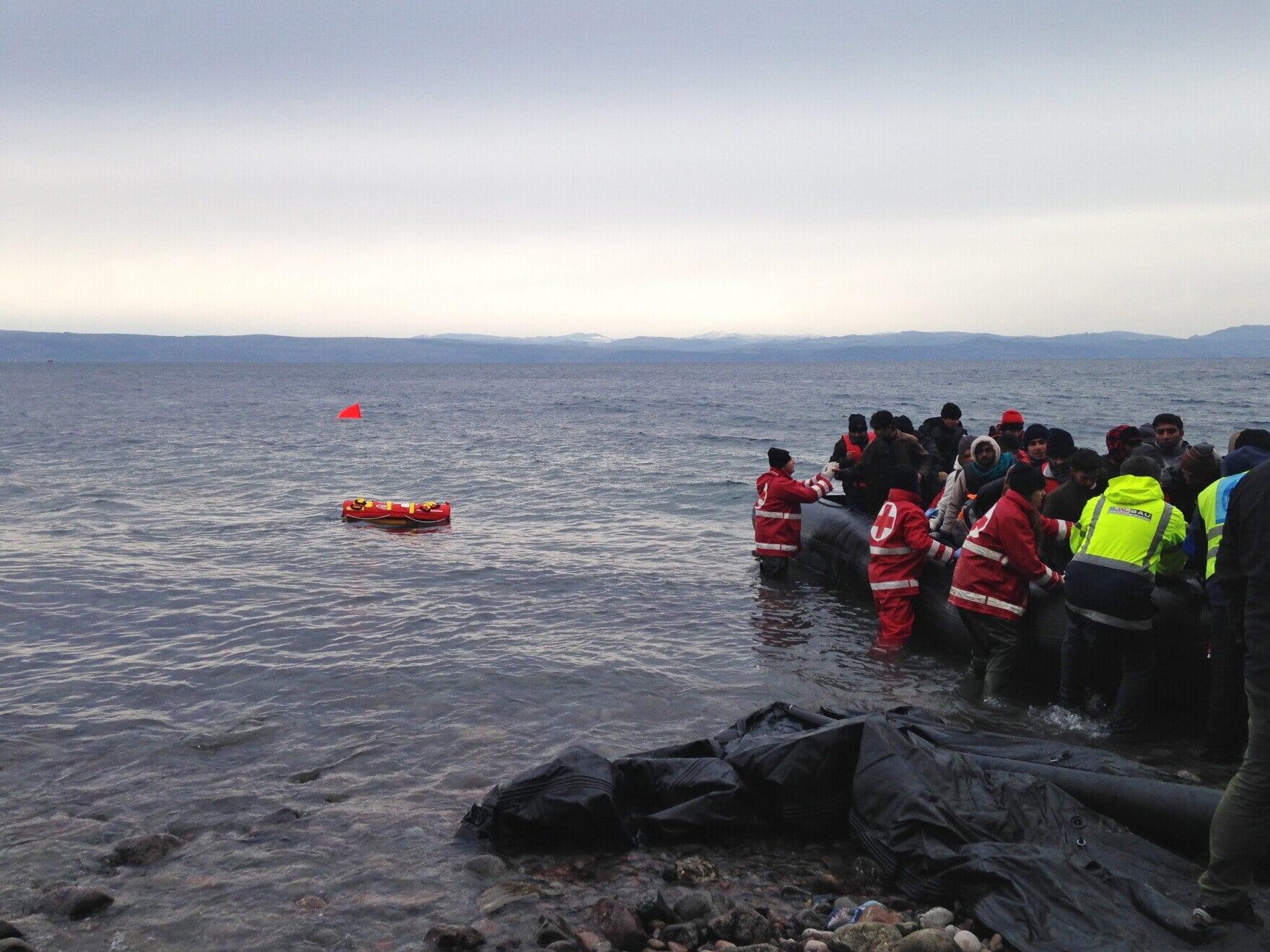
EMILY, short for Emergency Integrated Lifesaving Lanyard, is a robotic lifebuoy built by Arizona's Hydronalix and one of the most widely used rescue drones on the water. The roughly 1.2 m, 11 kg hull is driven by an electric water jet and can be thrown into the surf and steered by remote control to a swimmer at around 20-25 mph, many times faster than a lifeguard can swim. Its buoyant foam body can hold up to five people, who hang on while it brings them back or is hauled in on an attached line. Lifeguards, fire departments, and navies use it, and during the 2016 refugee crisis rescuers deployed EMILY off Lesbos to reach people in the water from crowded boats. It is a clear example of a small civilian sea drone saving lives.
Roles principales
Notas
Reported figures: about 4 ft (1.2 m) long, about 25 lb (11 kg), electric jet-pump propulsion with swappable lithium batteries, top speed around 20-25 mph. Developed by Arizona-based Hydronalix. Rescuers deployed EMILY off Lesbos, Greece, in 2016 to reach migrants in the water.